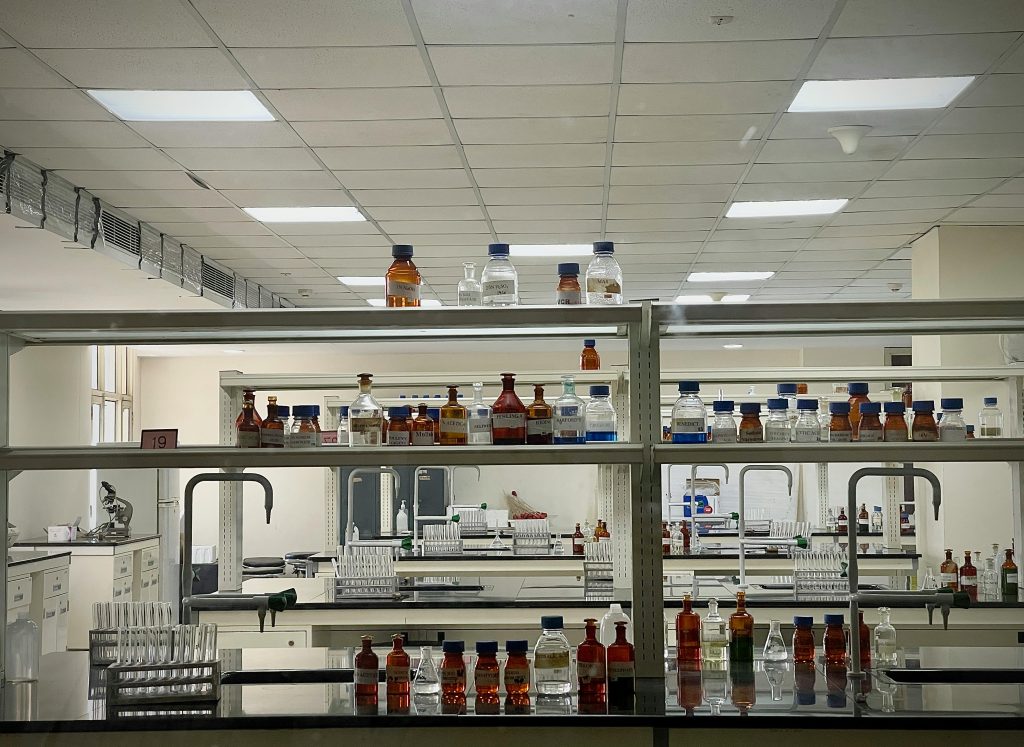
Educational laboratories are essential environments for developing scientific thinking and practical skills among students. They provide opportunities for hands-on learning, allowing learners to apply theoretical knowledge through direct experimentation and observation.
Modern educational laboratories include chemistry equipment, biology tools, physics instruments, and safety materials that help students understand scientific concepts more effectively. Interactive laboratory experiences increase student engagement and encourage innovation, critical thinking, and problem-solving abilities.
Safety remains one of the most important priorities in educational laboratories. Institutions must ensure the availability of first aid materials, protective equipment, and proper laboratory storage systems to maintain a secure learning environment.
Technological advancement has also transformed the educational laboratory sector. Digital microscopes, smart sensors, and simulation technologies now enable students to perform advanced experiments with greater accuracy and efficiency.
Experienced laboratory suppliers contribute greatly to improving educational quality by providing reliable equipment, technical consultation, and continuous support. Their role helps schools, universities, and research centers maintain modern scientific standards and prepare future generations for scientific and technological progress.
Educational laboratories are not only places for learning but also foundations for building future scientists, healthcare professionals, and innovators who will contribute to the advancement of society.